What is an IVA test?
Individual Vehicle Approval (IVA) is a UK inspection that checks an imported vehicle meets the same construction, safety and environmental standards as cars type-approved for the UK market.
What actually happens at the test
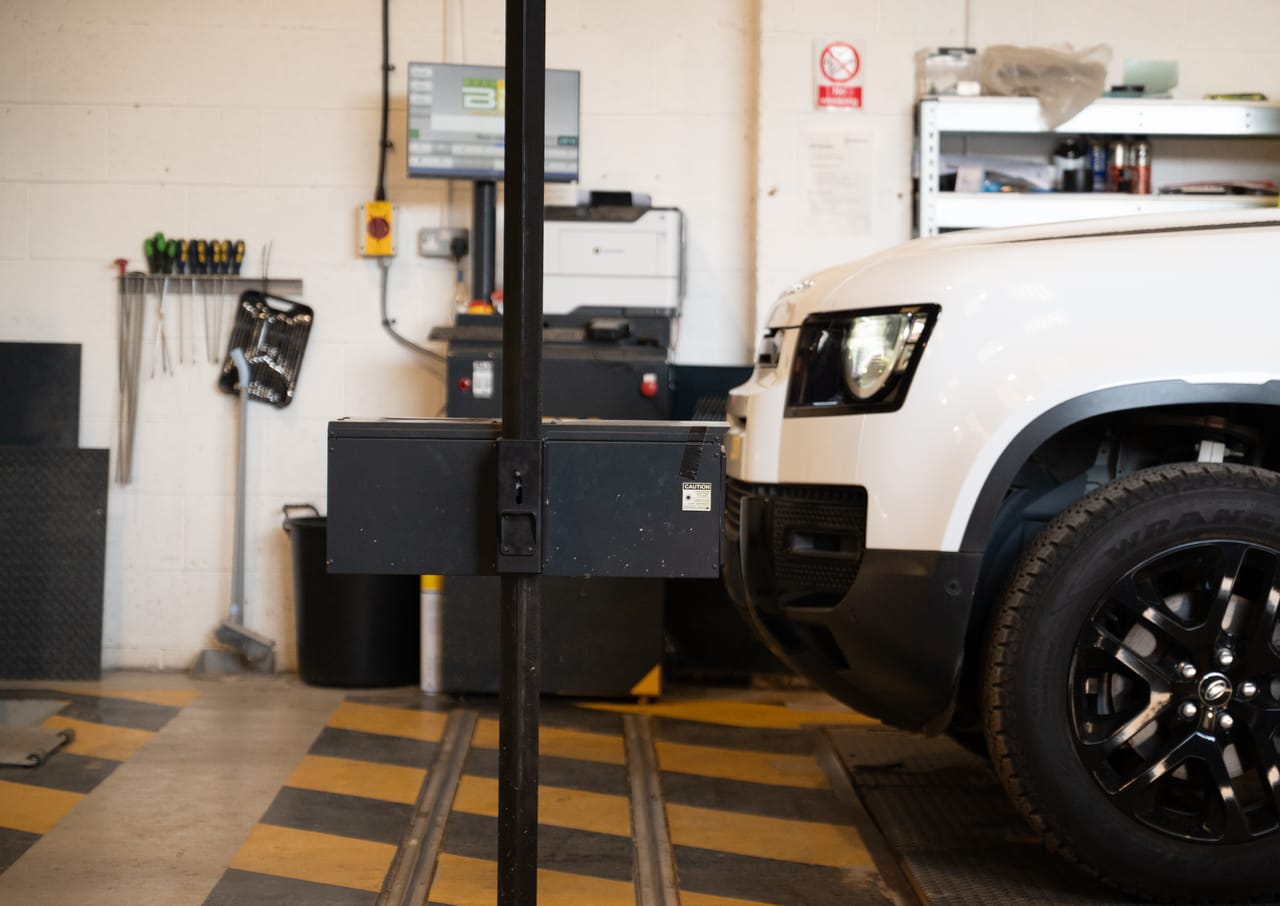
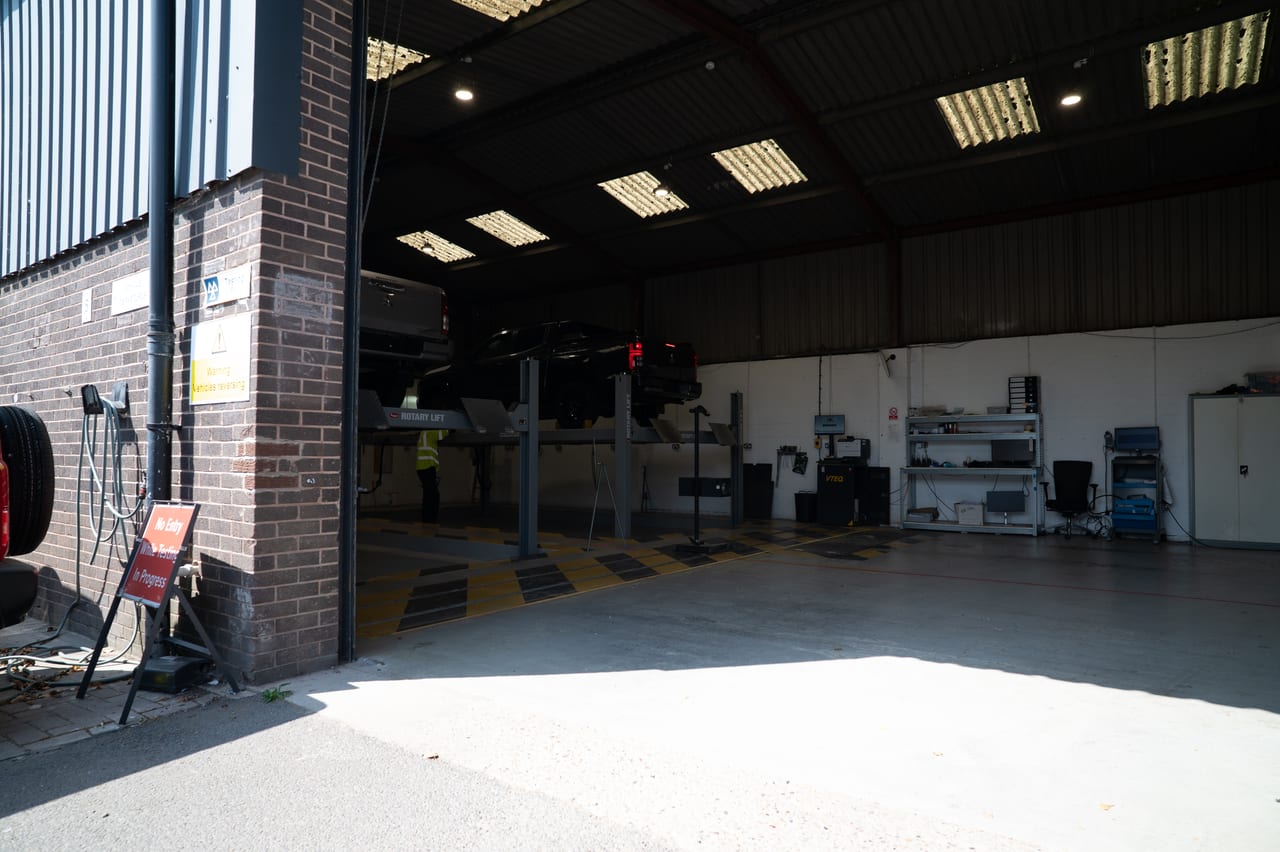
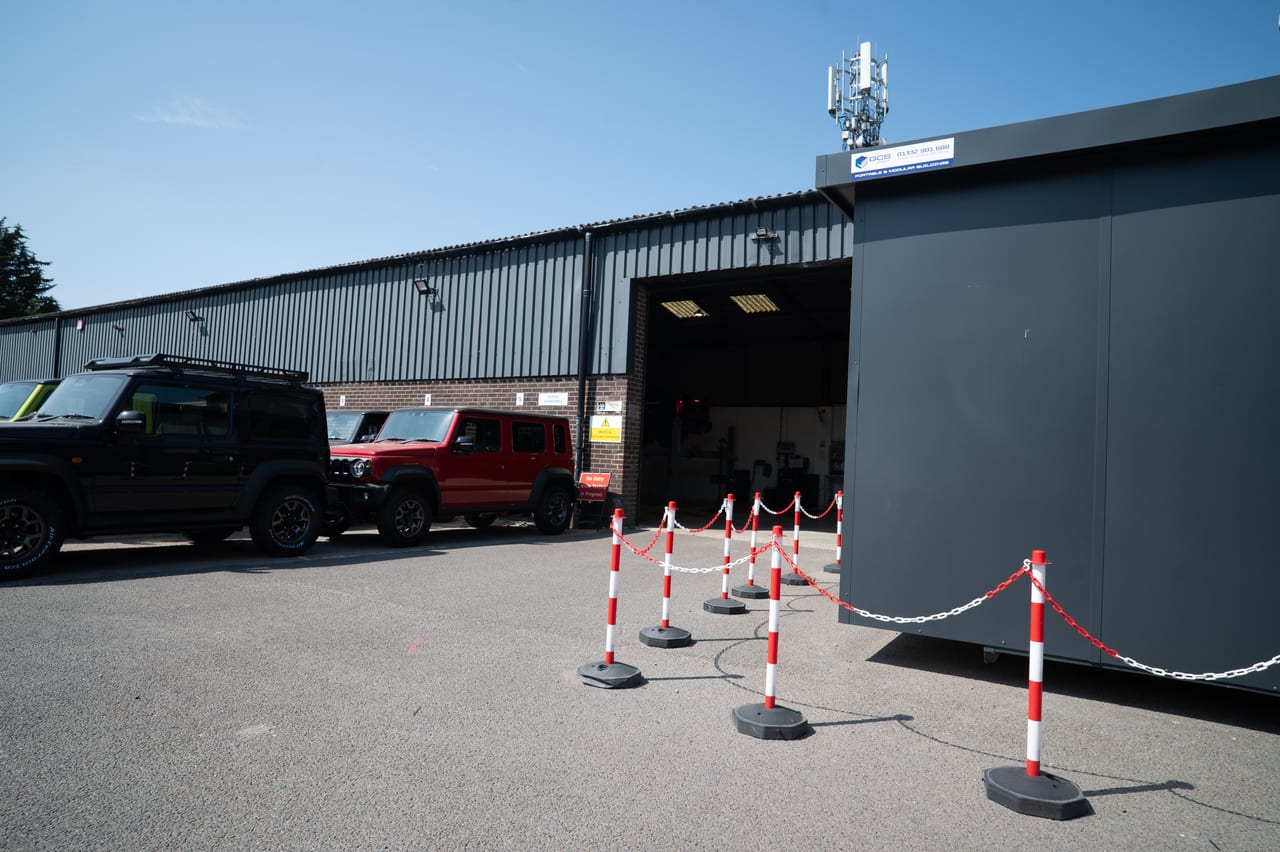
We are really fortunate to have the IVA testers at our site in Castle Donington every day.
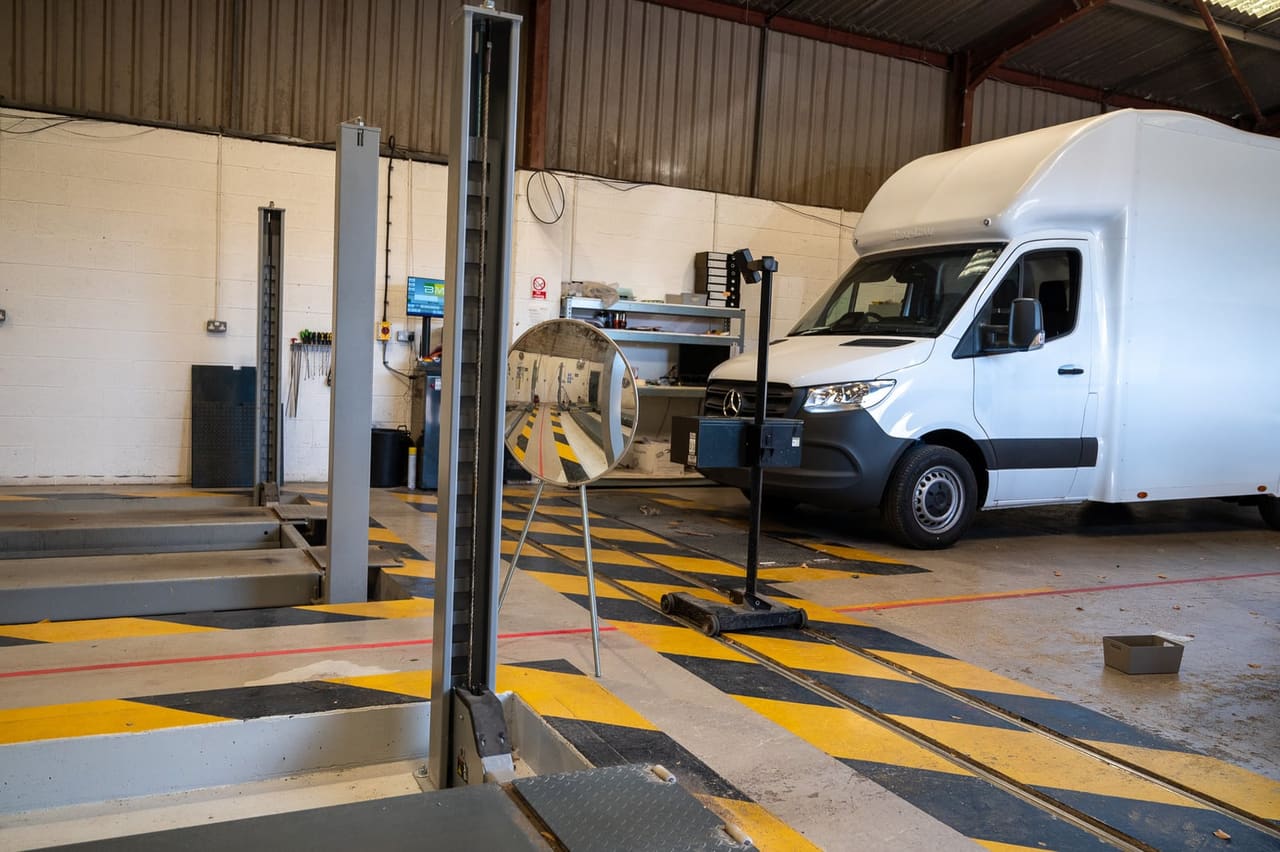
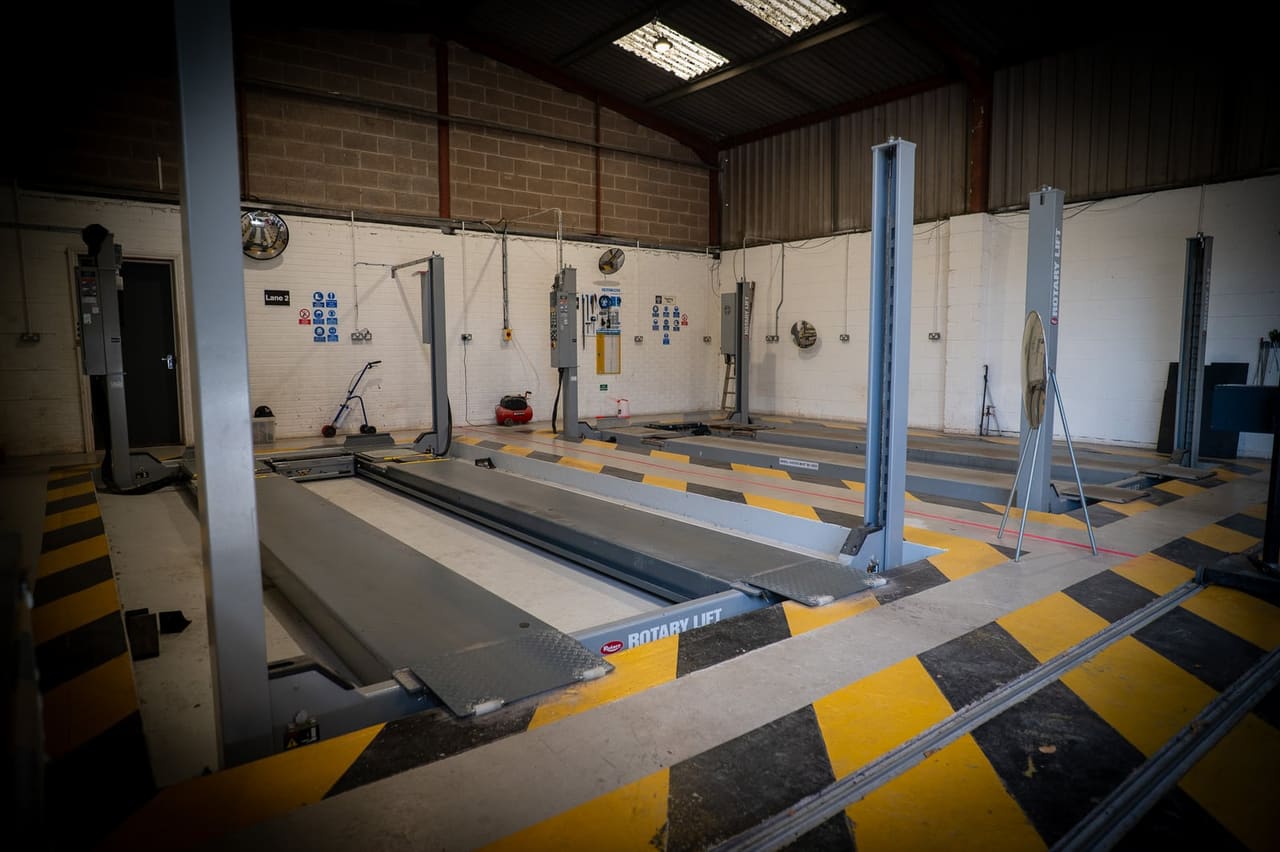
Once your car is pulled onto the test lane they will start a new IVA report for your vehicle.
Then they run through a large checklist to ensure that the vehicle conforms with UK standards.
The inspection sees them checking…
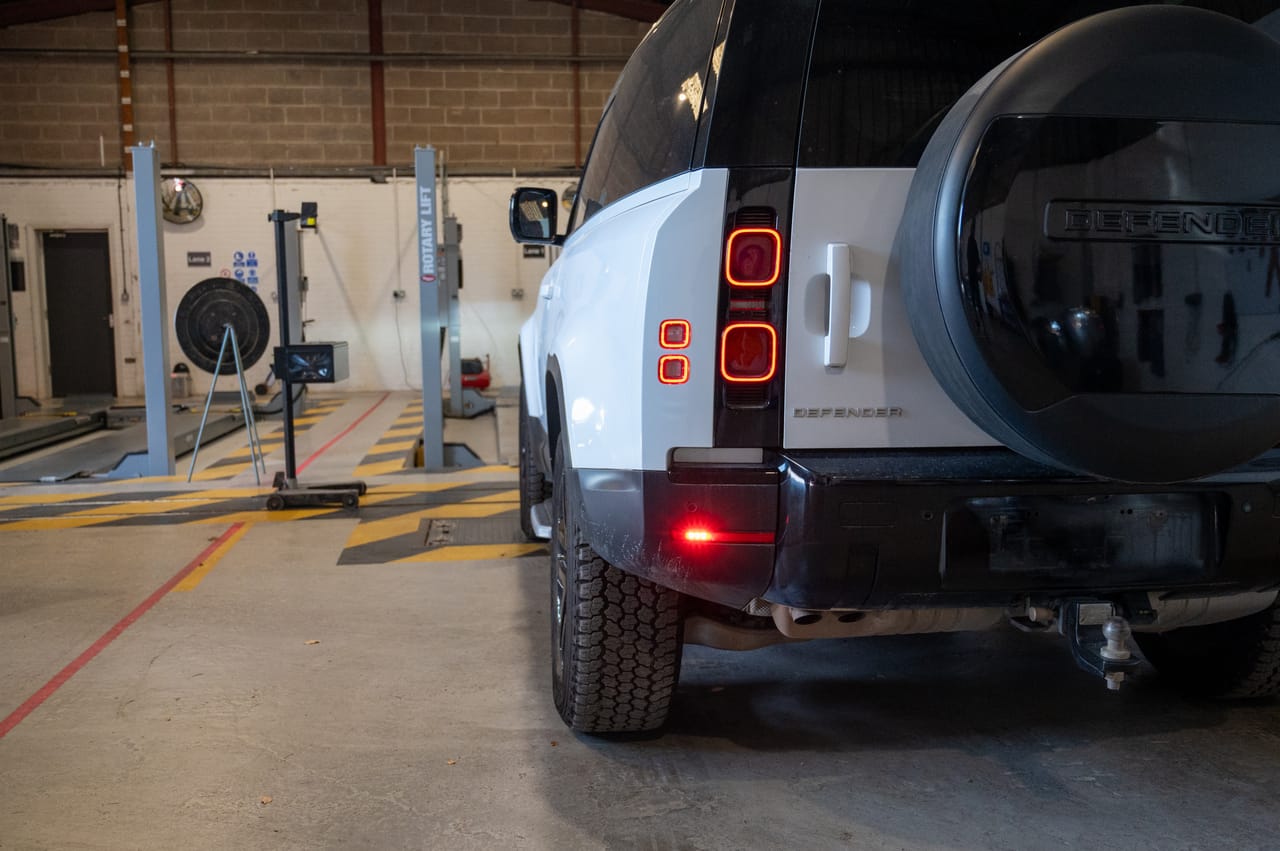
- The lighting systems on the vehicle, ranging from indicators through to headlight aim.
- Mirrors and glass are also checked to ensure they conform with UK standards.
- Seatbelts and anchorage points are also inspected to ensure they are safe.
- There are several structural checks they might do depending on the type of vehicle.
- Emissions and noise is often tested where evidence can’t be provided.
- General items like the speedometer reading in mph and rear reflector position are also checked.
This is not an exhaustive list as the handbook for an IVA test is fairly large.
But we hope this gives you a good idea of what happens.
Depending on the type of vehicle a test can last from one hour to six hours.
The car is inspected in a controlled bay, not on the road, and the whole process typically takes under an hour once the vehicle is on the ramp.
Most of the real work happens in the weeks before, fitting the modifications that let the car pass first time.
The first privately operated IVA testing lane in the United Kingdom
My Car Import runs the first privately operated IVA testing lane in the United Kingdom, and we have a wealth of experience because of it.
Without a private lane, importers queue for a slot at a DVSA test centre and work around its availability. We test in-house, on our own schedule, at our own facility. It means there’s no third-party booking delay between finishing the modifications and getting the car in front of an examiner.
It also means the same team that fits your lighting and modification work prepares the car for test, so nothing is lost in handover between a modification shop and a separate testing centre.
Common reasons cars fail, and how we avoid them
The most frequent failure points are:
- headlight beam pattern (left-hand-drive headlights dazzle oncoming traffic unless corrected or replaced)
- speedometer calibration (km/h dashes not converted or verified in mph)
- rear fog light position
- missing or incorrect side repeater indicators
Because we run the modification work and the test on the same site, we build the car to the checklist from the outset. We don’t wait to fix failures after the fact, which is where most of the time and cost overruns happen with imports tested elsewhere.